The Foundation Behind My Work
Long before I opened my design business, I was learning how buildings go together on job sites,
in drafting classes, and at my father’s side.
The way I design today is rooted in those early lessons.
What That Means for My Clients
Design talent matters.
But in residential construction, design talent without technical depth puts homeowners at risk.
My work spans more than 40 years in the design and building industry. Before opening my company, I spent approximately 15 years working for architects on commercial and residential projects. I served as a project coordinator and organized full drawing sets on one project valued at up to $12 million. I coordinated other disciplines, structural and mechanical systems. I detailed buildings.
That background shapes how I practice today.
I do not create conceptual drawings and step away. I provide you with:
Homeowners often describe me as their personal advocate. That role is intentional.
Your residential projects are emotionally and financially significant. My responsibility is to protect your investment through clear documentation and thoughtful detail, and to assist you in making practical decisions. You have choices.

My commitment is simple:
Your vision. Your needs.
- Produce clear, buildable construction drawings.
- Stay engaged from planning through construction.
- Protect the owner’s investment.
- Follow through on every commitment.
Why Problem-Solving Is My Strength
Over the years, homeowners, builders, and developers have brought complex challenges to me:
Problem-solving is where I thrive.
I also have dyslexia, which has become an unexpected advantage. I think visually and in three dimensions. I naturally see patterns, structural relationships, and inconsistencies that others don’t. It allows me to anticipate issues before they appear in the field or in the future.
While dyslexia has made writing, spelling, and pronunciation more challenging at times, those trade-offs are minor compared to the strengths it has given me. I can always hire support for writing, editing, and communication, but the ability to see problems before they happen is far more valuable to my clients.
That ability, combined with decades of technical experience, is what sets my work apart.

Detailed First Floor Plan of
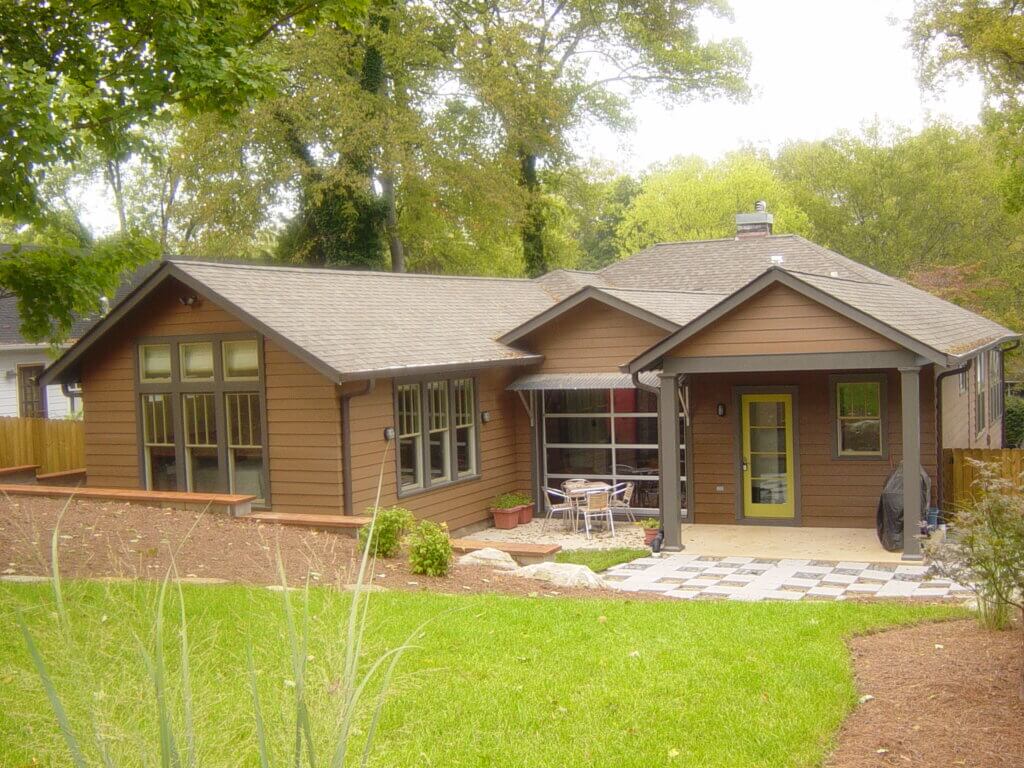
New Home Design
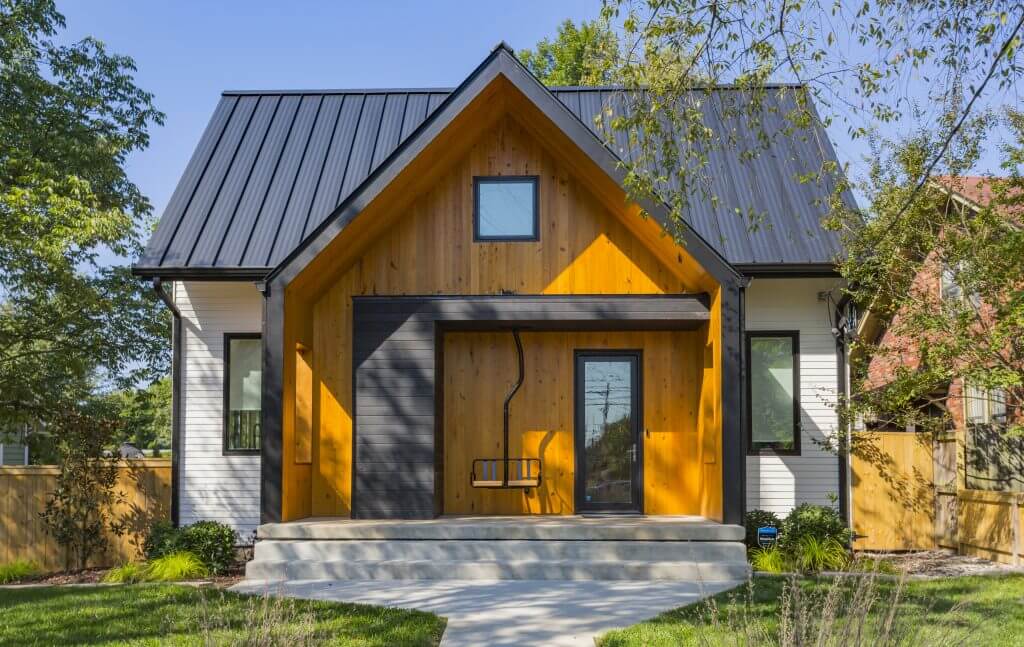
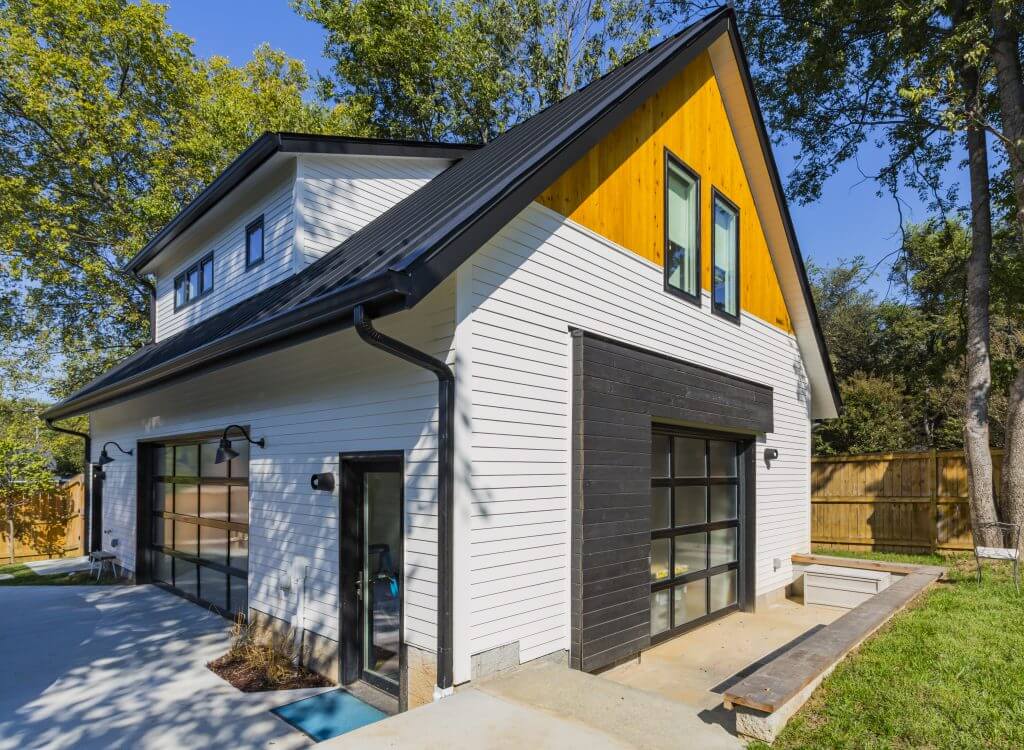
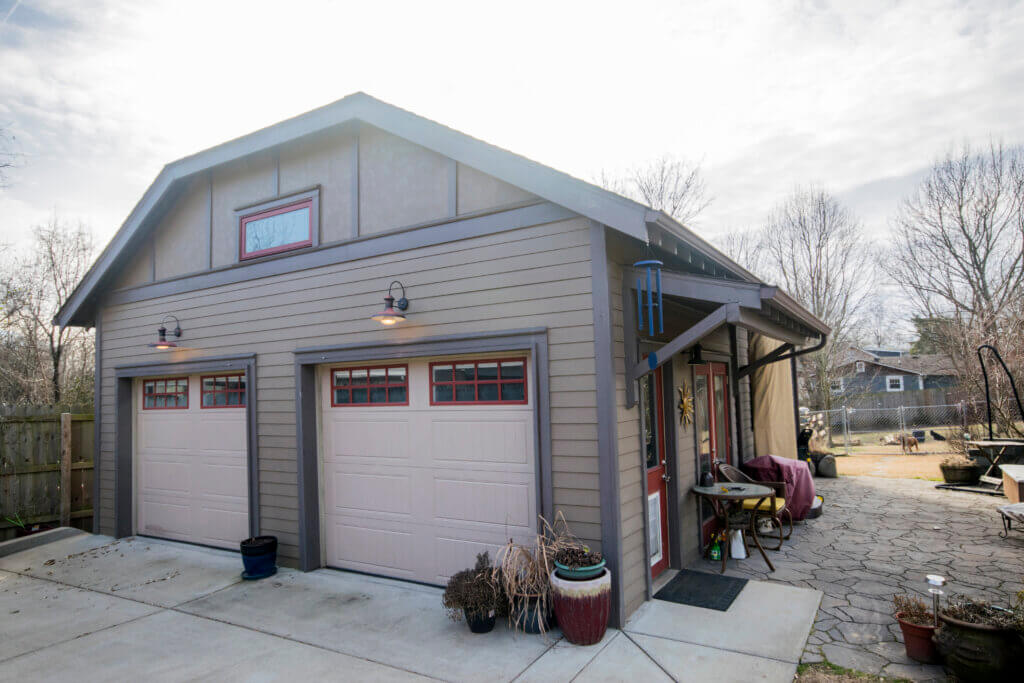
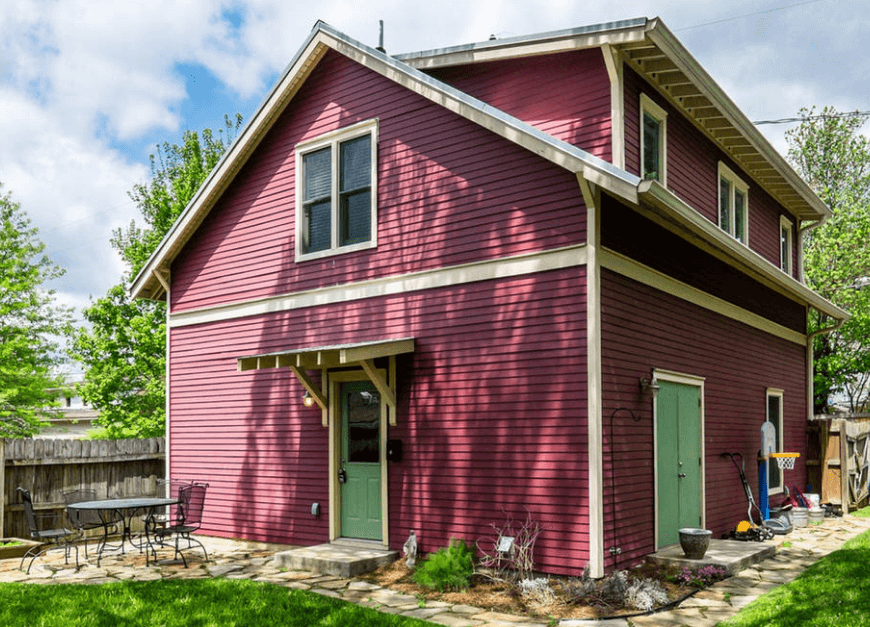
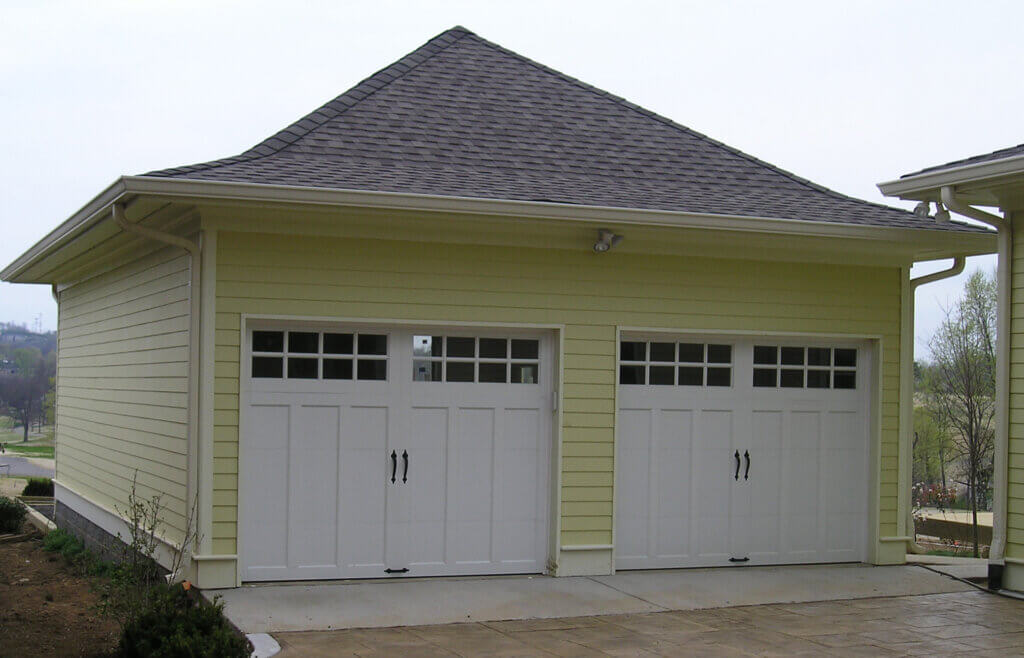
Garage Apartment
Construction Drawings
The Difference Is in the Drawings
Anyone can draw a floor plan.
What separates a sketch from a construction document is technical depth, waterproofing strategy, structural coordination, insulation methods, material transitions, and long-term durability.
I have been in attics and crawl spaces in houses from the 1880s to modern houses built today. I have seen how techniques have evolved over the decades and where failures occur.
For example, when adding onto a historic home and finishing an attic, you may need three different insulation strategies:
Existing conditions and budgets vary from project to project. That level of decision-making requires knowledge of building science, not just design aesthetics.
My drawings are created for:
They are thorough because details prevent problems.

Lynn in High Scool Drafting class.

Lynn’s Art & Drafting High School Awards
How It All Began
Designing and drawing have never felt like work to me. Creating something from nothing and watching it take shape has been part of my life for as long as I can remember.
As a child, I was constantly sketching. In high school, I studied four years of art and two years of vocational drafting. By my senior year, I had earned awards in both. But the real education began much earlier at home.
Art and Drafting Awards
Both of my parents were self-made entrepreneurs. My mother owned her own cosmetology business. My father was a mason and site contractor who built a few homes, owned and operated heavy equipment, and was always constructing something: an addition to our house, a boat, a river cabin, even a backyard swimming pool.
As a preteen, I often went with him to job sites. I learned materials. I learned methods. I learned how things actually go together. It made drafting much easier because I truly understood what I was drawing.
One of my favorite memories is watching him build a log cabin for my mother’s business using reclaimed logs. In high school, I recreated a simplified version of the cabin in clay for an art class, already understanding scale and proportion without realizing it.

This photo is from the 1970s. My mom and dad are in front of the quartz rock fireplace and the fish pond he built in the log cabin. It was for an article on her Log Cabin Beauty Shop. Back in the 70s is was called Beauty Shops, not Hair Salons.

Front Porch of the log cabin.

The log cabin Lynn built out of clay in art class.
Creativity, work ethic, curiosity, problem-solving, and entrepreneurship were not theories in our home. They were part of daily life.
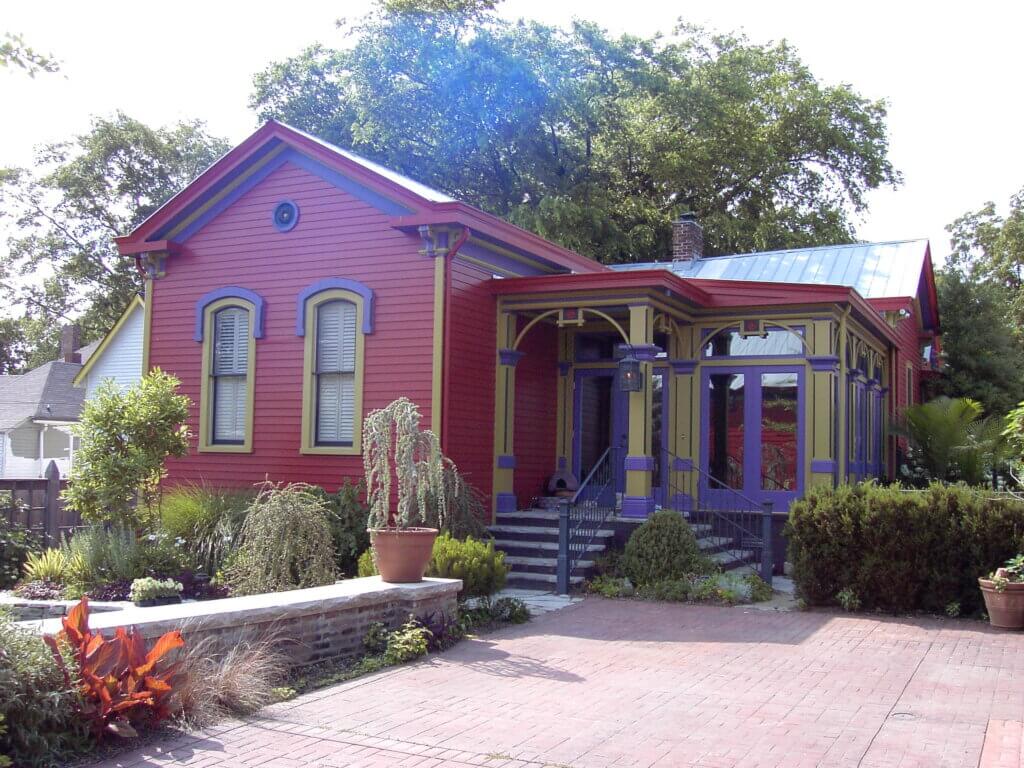
Before opening my business in January 2000, I renovated my own 1895 Folk Victorian home with a partner. Beginning in late 1997, we gutted much of the interior, built a small addition, restored the original poplar doors and woodwork by hand, cleaned and polished the brass hardware, and uncovered heart pine floors hidden beneath layers of sheet vinyl.

That foundation led to the launch of Taylor Made Plans in January of 2000, and it continues to guide how I serve clients today.
I also acted as my own general contractor, which is something I do not recommend. It was a full-time, stressful job, far more complex than most homeowners realize.
That experience taught me invaluable lessons about historic renovation, sequencing, workmanship, and what truly protects a home’s character and structure. Those lessons became part of the foundation I now bring to every client project.

BEDROOM BEFORE
1895 Folk Victorian

BEDROOM AFTER